VisualEyes™ Support
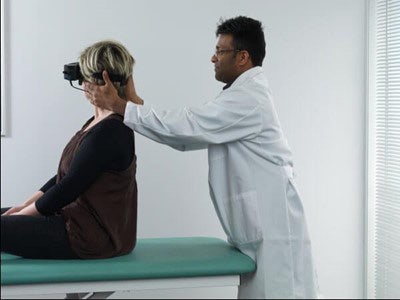
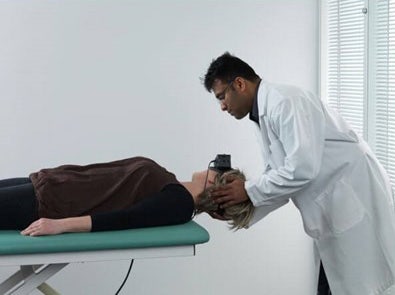
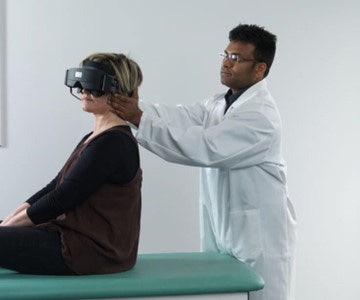
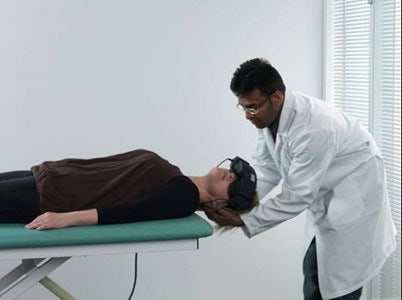
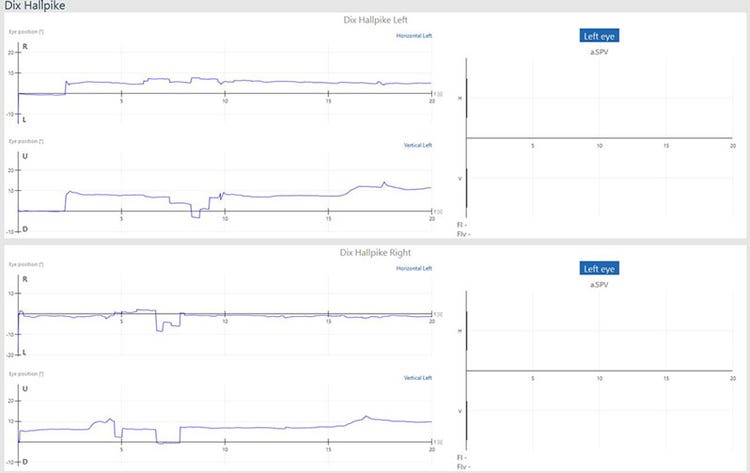
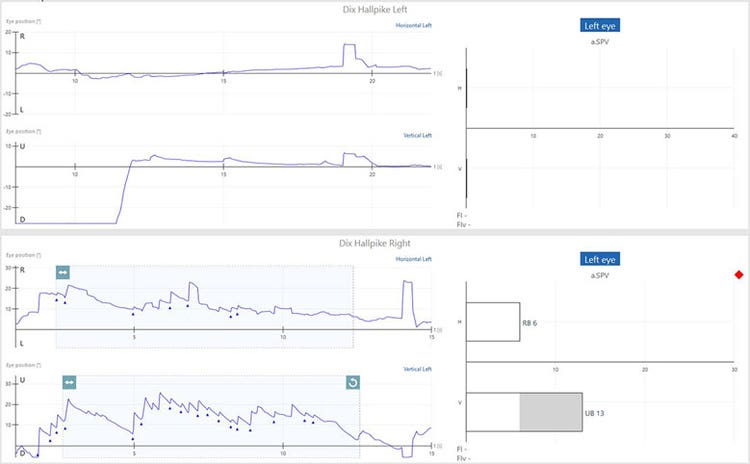
The Dix-Hallpike test, also referred to as the Dix-Hallpike maneuver, is a diagnostic maneuver used to identify benign paroxysmal positional vertigo (BPPV). The Dix-Hallpike test can be performed by a single clinician, who repeatedly guides the patient from a seated position to a supine position. A positive test result may be indicated by the patient reporting vertigo or if the clinician observes torsional nystagmus.
The Dix-Hallpike test is valuable in patients with complaints of positioning vertigo. For example, in patients that get dizzy when they sit up quickly or roll over in bed.
Before performing the Dix-Hallpike test with your patient, consider the following.
Before performing any positioning maneuver, it is important to ask if the patient has current or past injuries of the neck or spine.
If neurological symptoms occur during the execution of positioning maneuvers, stop the procedure immediately and refer for a neurological evaluation. These symptoms might include:
Weakness of the arms or legs
It is important to remember that the consistency of fluid inside the vestibular system is viscous. Thus, you should allow enough time within each of the Dix-Hallpike maneuvers for the otoconia to achieve most displacement. This condition may also be responsible for a delayed onset of nystagmus.
It is most helpful to use videonystagmography (VNG) equipment while performing the Dix-Hallpike test. This reduces the ability of the patient to fixate during the procedure in an attempt to reduce the nystagmus. This will also allow the examiner to see even very slight torsional nystagmus.