Solutions / Balance Testing Equipment / How to perform the Brandt-Daroff Exercise
How to perform the Brandt-Daroff Exercise
How to perform the Brandt-Daroff Exercise

VisualEyes™ Support
Before recommending any form of positioning maneuver, it is important to ascertain whether the patient has current or past injuries of the neck or spine
If possible neurological symptoms occur during the execution of positioning maneuvers, discontinue the procedure immediately and refer for the patient for a neurological evaluation. These symptoms might include blurred vision, numbness, weakness of the arms or legs or confusion
In order for the exercise to be successful, the patient must remain in each position until the vertigo subsides plus an additional 30 seconds and the patient must perform all 10 revolutions of the This is time consuming and often challenging for the patient due to intense vertigo. Therefore, it is important that the patient is educated on what to expect during the exercise and has agreed to full compliance
It is practical, if possible, to have another person there to assist the dizzy person with the exercise
Without the patient’s commitment to full compliance, performing the Brandt-Daroff exercises might be counter-productive in that otoconia may travel to different parts of the vestibular system and cause a worsening of symptoms
You should instruct the patient that if they are doing the exercise properly, their symptoms will likely lessen in severity with each repetition. However, they should always do the full set of 10 complete revolutions
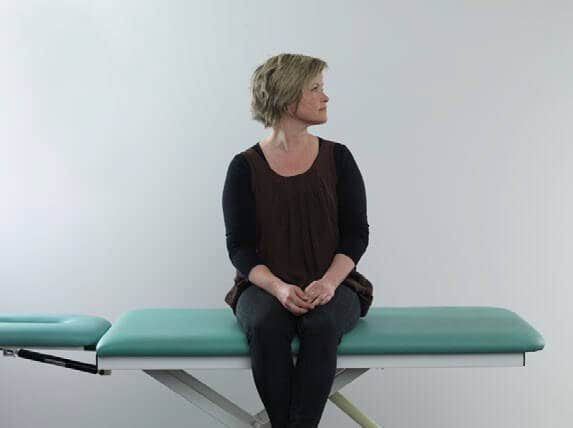
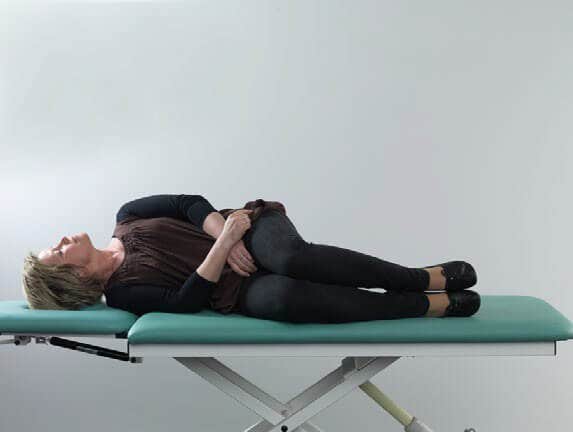
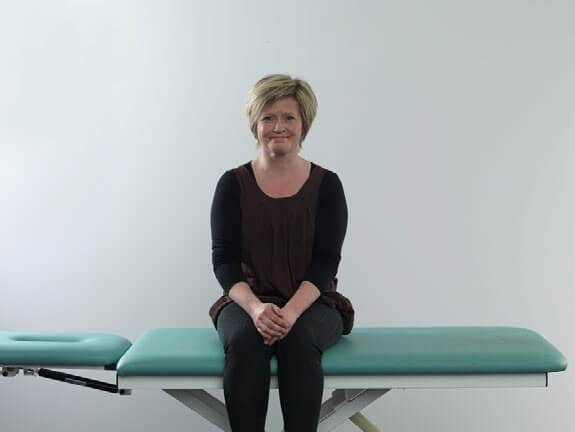
Begin with the patient sitting upright on the edge of his bed
The patient will turn his head 45º toward either side, or as far as is comfortable

Contact your local distributor
Our world-wide experts are ready to help you find the right solution.