Solutions / Audiometers / Masking Level Difference (MLD)
Masking Level Difference (MLD)
Masking Level Difference (MLD)
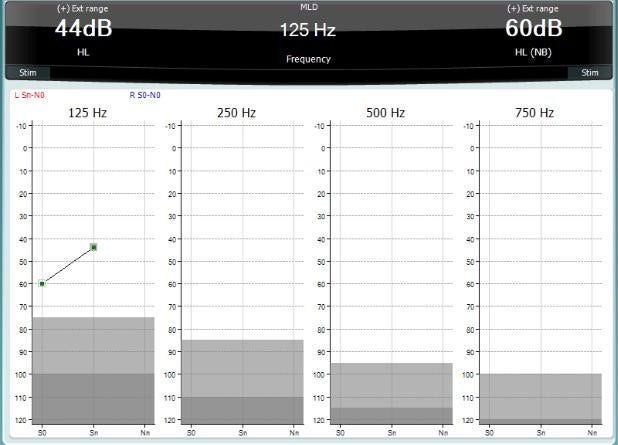
Learn how to measure the masking level difference (MLD) with the AC40 clinical audiometer, including results interpretation.
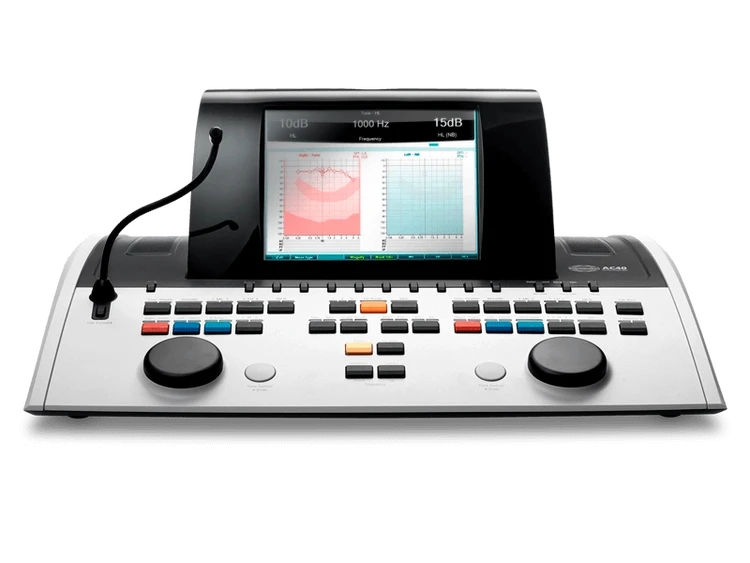
AC40 Support
Welcome to the product training for AC40 audiometer. On this page you will find an overview of all the available training materials and support.
The masking level difference (MLD) is the improvement in detecting a tone or speech in noise when the phase of the tone or the noise is reversed by 180 degrees. It aims to assess central auditory function and is specifically sensitive to brainstem lesions, but peripheral changes (like a hearing loss) may also affect the MLD.
The MLD is a low frequency phenomenon, related to the ability of the auditory system to perceive differences in timing of a sound reaching the two ears. This helps to localise low frequency sounds that reach the ears at different times due to the longer wave length.
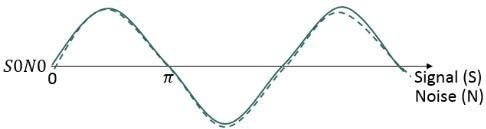
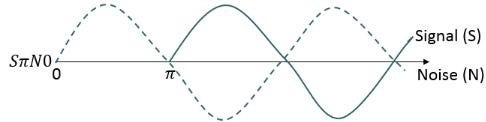
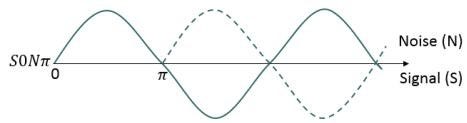
The MLD is usually referred to as the difference of improvement in dB between a “homophasic” (in-phase) condition and an “antiphasic” (out of phase) condition. Homophasic means that both the signal and the noise are in phase with each other when reaching the two ears. Antiphasic means that either the signal or the noise (not both) is out of phase with each other when reaching the two ears.
The three test conditions for the MLD are:
S0N0: Signal and Noise are IN PHASE when reaching the two ears (Homophasic condition).
SπN0: Signal is OUT OF PHASE, noise is IN PHASE when reaching the two ears (Antiphasic condition).
S0Nπ: Signal is IN PHASE, noise is OUT OF PHASE when reaching the two ears (Antiphasic condition).
Contact your local distributor
Our world-wide experts are ready to help you find the right solution.